
Sell your Hyundai Kona Electric directly to us for a real, no-obligation offer, usually in under 15 minutes. We use EV transaction data and assess the battery, drive unit, mileage, and software-enabled features, with no fees and free pickup anywhere in the United States.

The Hyundai Kona Electric is a compact, front-wheel-drive battery-electric SUV sold in the United States for model years 2019 through 2025. It is a practical EV with one electric motor, a hatchback-style cargo area, and a configuration that changed meaningfully across its production run.
If you are ready to sell, start with the details that distinguish your particular Kona Electric: model year, trim, mileage, current battery behavior, and whether recall work and software updates are complete. That information gives us a clearer picture than a generic value tool can provide.
The first-generation cars, sold from 2019 through 2023, use Hyundai's 64.0 kWh battery system and carry a 258-mile EPA range rating. They all use the same basic electric powertrain, so the questions a buyer usually has are less about motor choice and more about battery condition, charging habits, completed battery recall work, and the equipment that came with the trim.
The 2024 redesign brought a larger Kona body and two battery configurations. The 2024 SE uses a 48.6 kWh battery and has an EPA-estimated 200 miles of range. The 2024 SEL and Limited use a 64.8 kWh battery and have an EPA-estimated 261 miles of range. For a buyer, that means an SE and a Limited are not interchangeable listings, even when their mileage looks similar.
The 2025 lineup keeps that split. The SE has a 48.6 kWh battery and 200-mile EPA rating. The SEL and Limited pair the 64.8 kWh battery with a 261-mile rating, while the N Line has the same 64.8 kWh battery but a 230-mile EPA rating. The N Line's equipment and wheel setup are part of its own configuration, not a reason to compare it mechanically with another trim.
Charging details also come up in a sale. Hyundai lists 100 kW DC quick charging, with a stated 10 to 80 percent charge time of 43 minutes on the 2025 models. Hyundai's 2025 specifications also list an 11 kW onboard Level 2 charger. Actual charging speed depends on battery temperature, state of charge, charger output, and the vehicle's charge management.
This is why a Kona Electric sale benefits from EV-specific questions early. A clear account of your range experience, charging operation, warning lights, maintenance records, and recall status saves time later. We use that information to make a direct offer, then guide you through a smartphone self-inspection before arranging free pickup from your driveway.
A Kona Electric's trim and model year tell a buyer which battery configuration, range rating, equipment level, and recall history to investigate. Those details do not replace a battery assessment, but they give the sale a useful starting point.
For 2019, the lineup is SEL, Limited, and Ultimate. Each has the 64.0 kWh battery and 258 miles of EPA-estimated range. The 2020 and 2021 models continue with SEL, Limited, and Ultimate trims. The 2022 and 2023 facelift models are generally listed as SEL and Limited. Across these first-generation years, the common questions are whether the battery recall remedies were performed, whether charging and range displays operate normally, and what equipment is fitted to the vehicle.
For the second generation, identify the trim precisely:
Those 2025 trim-specific battery and range figures matter because a buyer looking for a longer-range Kona Electric is evaluating a different configuration from someone shopping an SE or N Line.
Warranty information is useful background when you are deciding when to sell. Hyundai lists a 10-year or 100,000-mile limited battery warranty for the Kona Electric, and the standard drivetrain warranty is also 10 years or 100,000 miles. The standard EV battery and drivetrain coverage are generally transferable to a later private owner, subject to Hyundai's terms and exclusions. A 2019 Kona Electric has less time and mileage remaining under those terms than a later-model vehicle, simply because coverage starts from its original in-service date.
There is one important 2019 distinction. Hyundai's Lifetime Electric Battery Warranty applied only to the original owner, and does not transfer to the next owner. A later buyer instead looks to any remaining standard 10-year or 100,000-mile battery coverage.
Recall status deserves the same level of precision. For 2019 and 2020 cars, buyers often ask about the battery campaigns, especially whether the BMS update, battery inspection, or battery replacement was completed. The relevant VIN-specific history is more useful than assuming that every vehicle from a model year had the same repair. For 2019 through 2021 cars, brake-system software recall completion is also worth documenting. For certain 2024 and 2025 cars, ask whether the rear-center seat belt buckle remedy has been completed, and do not allow a passenger to use that seat until it is.
Some Kona Electric owners also encounter 12-volt battery drain after a vehicle sits, infotainment connection issues, or intermittent driver-assistance sensor alerts. These are useful items to report accurately in a sale. A working vehicle with a documented update history tells us more than a generic condition label. Hyundai and service providers have addressed some charging, battery-management, and brake-regeneration behavior through software calibration and updates. Technical coverage of the 2019-2023 battery family describes conservative charging behavior at higher charge levels and in cold conditions.
When you describe your Kona Electric to us, include what you know without trying to diagnose it. Tell us about warning lights, charging performance, battery replacement paperwork, unusual noises or vibration, and completed campaigns. We account for the actual EV in your driveway, not a generic Kona Electric listing.

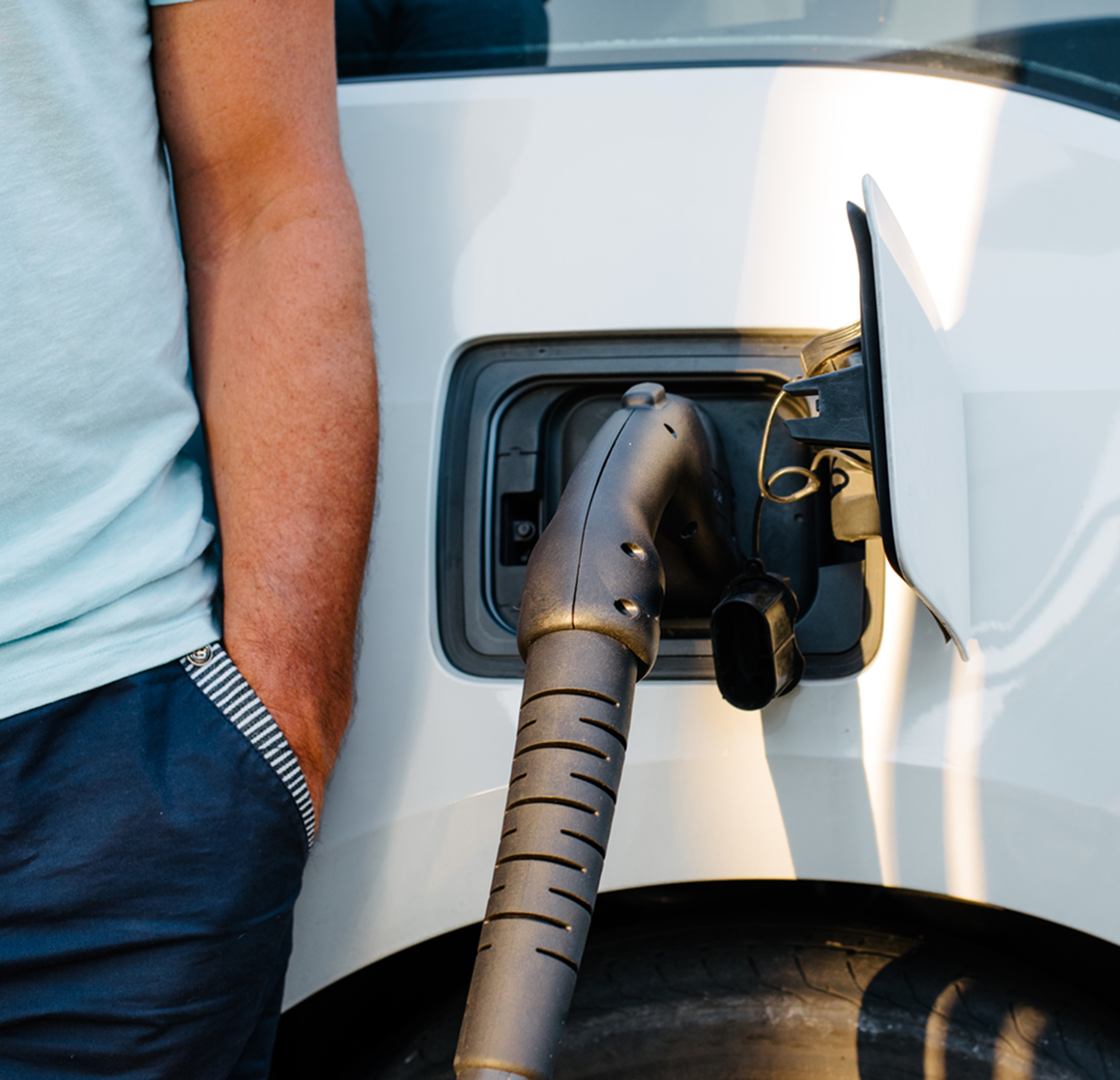
Owners sell for reasons specific to this vehicle and to where they are in ownership:
Your lease is ending, and you want a clear buyout and sale process for your Kona Electric.
You are moving to a larger EV or a different vehicle that better fits your household.
A second car is sitting unused, and you no longer need to maintain or charge it.
Your commute, parking situation, or home-charging access has changed.
You want to sell before handling the work of explaining battery recall history and charging behavior to private buyers.
You have a 2019 Kona Electric and want to sell while clearly documenting which battery coverage transfers.
If any of that describes your situation, the next section is the answer.
Selling a Kona Electric privately can work well when you have the time to prepare the vehicle, answer detailed EV questions, coordinate test drives, and handle payment and paperwork. For this model, those questions often go beyond odometer reading. A serious buyer may want to know the battery configuration, expected range for the trim, DC charging behavior, completed recall remedies, 12-volt battery history, and whether software updates addressed an issue.
That is useful information, but it is work. You may need to gather service records, check your VIN for open safety campaigns, explain the difference between a 2019 through 2023 64.0 kWh Kona Electric and a later 48.6 or 64.8 kWh version, and arrange a test drive around charging. You also have to decide how to handle a buyer who wants to inspect every detail after agreeing on a price.
A dealer trade-in is another route. Depending on its inventory needs, a dealer may price an EV as a wholesale unit intended to move quickly. A general pricing method built around conventional vehicle mileage can also miss details that matter on a Kona Electric, including battery condition, drive-unit condition, and configuration-specific EV capability.
We buy your Kona Electric directly. Our offer is based on real transaction data from EVs we have bought and sold, not a VIN-decoder estimate. Most sellers receive an offer in under 15 minutes, and there is no obligation to accept it.
We price the EV itself, using the factors that matter in this transaction:
We then compare your reported configuration with real sales for comparable EVs, including local demand. That approach gives a 2025 N Line its own context, just as it does a 2024 SE or a 2020 Ultimate. It also lets us account for complete recall documentation and maintenance records in the guided inspection, without asking you to turn the sale into a private listing project.
Our offer is the number you take home. There are no paperwork, transport, closing, or processing fees, and nothing is deducted at pickup. We lead with our best number, so there is no negotiation or back-and-forth. The offer holds for seven days unless the smartphone self-inspection finds something material that does not match what you reported.
The self-inspection takes roughly 15 minutes and happens by smartphone on your schedule. One EV buying expert stays with you from offer through pickup. We arrange free pickup at your home anywhere in the United States, handle the title transfer and DMV paperwork, and send payment by wire or ACH after receiving the title. Funds reach you at or before pickup, typically 24 to 48 hours after title receipt.
If your Kona Electric is financed, we pay your lender directly. If it is leased, we coordinate the payoff with the leasing company, which typically takes two to three weeks, and you sign the buyout authorization. Start your no-obligation offer to see what we can pay for your specific Kona Electric.
We confirm your Kona Electric's model year, trim, battery configuration, drivetrain, mileage, and major equipment. For 2024 and 2025 cars, that includes identifying whether you have the 48.6 kWh SE or a 64.8 kWh configuration.
We review overall condition, battery state of health, drive unit operation, charging behavior, warning lights, and any reported noise or vibration. Recall and service documentation helps us understand the vehicle's history during the guided inspection.
We confirm installed updates and the vehicle's software-enabled equipment where it affects capability. For the Kona Electric, documented battery-management, charge-control, brake, infotainment, or driver-assistance updates can clarify the vehicle's current operation.
We compare real transactions for your exact Kona Electric configuration, equipment, condition, and location. A 2025 N Line, a 2024 SE, and a 2020 Ultimate are assessed in their own market context, not against a national average.
We make one transparent offer based on the EV-specific assessment, with no negotiation or back-and-forth. It holds for seven days and changes only if the smartphone self-inspection finds something material that was not reported.
“My offer was much more than Tesla, Carvana, and Carmax. Didn't have to take my car anywhere.”
“I was a little nervous selling my car online, but Anita gave me the assurance I needed the whole way.”
“The process was really easy and smooth. No last-minute tricks like you get at dealerships.”
“We were skeptical at first, but checked Reddit and Google to make sure these guys are legit.”
Yes. For a financed Kona Electric, we pay your lender directly. For a leased Kona Electric, we coordinate payoff with the leasing company, which typically takes two to three weeks, and you sign the buyout authorization.
The standard 10-year or 100,000-mile EV battery warranty is generally transferable to a later private owner, subject to Hyundai's terms. The 2019 Lifetime Electric Battery Warranty applies only to the original owner and does not transfer.
Yes, certain Kona Electric vehicles have battery, brake-system, and rear-center seat belt buckle recalls. Check your VIN at NHTSA.gov for open campaigns, and report completed recall work when requesting an offer.
The 2019 through 2023 Kona Electric is rated at 258 miles of EPA range. For 2024 and 2025, the SE is rated at 200 miles, SEL and Limited at 261 miles, and the 2025 N Line at 230 miles.
All 2019 through 2023 Kona Electric trims use a 64.0 kWh battery system. For 2024 and 2025, the SE uses a 48.6 kWh battery, while the SEL, Limited, and 2025 N Line use a 64.8 kWh battery.
Your Kona Electric's value depends on battery condition, drive unit condition, mileage, and software-enabled features. Its year, trim, battery configuration, overall condition, local demand, and vehicle history help us assess those EV-specific factors accurately.