
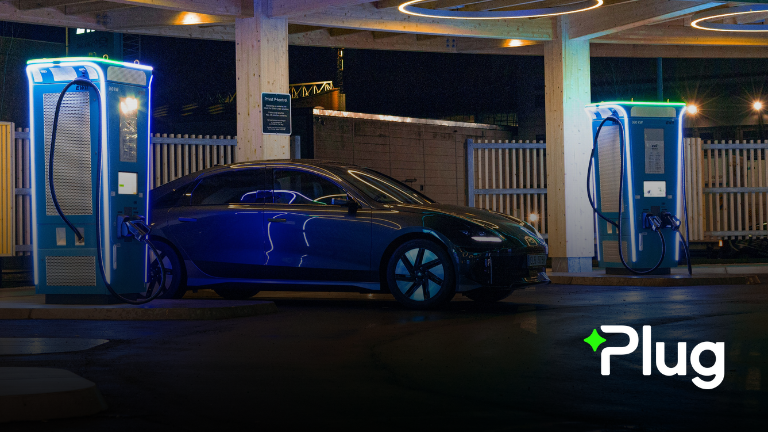
Charging is one of the biggest practical differences between electric vehicles and gas cars. It’s also one of the most misunderstood. Not all chargers are the same, not all EVs can use every charger, and access often matters as much as speed.
This guide explains how EV charging works, the different charging levels and networks, and why charging compatibility plays a major role in ownership experience and resale value.
The Three Levels of EV Charging
EV charging is generally grouped into three levels, based on power output.
Level 1 charging uses a standard household outlet. It adds only a few miles of range per hour and is best suited for low-mileage drivers or emergency use. According to the U.S. Department of Energy, Level 1 charging is widely accessible but impractical for many daily driving needs.
Level 2 charging uses higher-voltage equipment, typically installed at homes or public locations. It is the most common form of daily charging and can add 20–40 miles of range per hour, depending on the vehicle.
DC fast charging (often called Level 3) delivers much higher power and is designed for long-distance travel and quick top-ups. Charging speeds vary widely by vehicle and battery design.
Charging Speed Depends on the Vehicle
A charger’s maximum output does not guarantee fast charging. The vehicle determines how much power it can accept.
Charging speed is influenced by:
- - Battery size and chemistry
- - Thermal management system
- - State of charge
- - Software limits
BloombergNEF notes that charging curves—how speed changes as the battery fills—matter more than peak charging rates when comparing real-world usability.
Connector Types and Physical Compatibility
Charging compatibility starts with the connector.
Common standards include:
- - CCS (Combined Charging System)
- - NACS (North American Charging Standard)
- - CHAdeMO (legacy, now declining)
Physical compatibility determines whether a plug fits. However, that is only part of the story.
Network Access vs. Physical Compatibility
Even if an EV can physically connect to a charger, it may not have access to the charging network.
Access depends on:
- - Manufacturer agreements
- - Software authorization
- - Account or subscription status
For example, some EVs can use a charger physically but are not authorized to initiate a charge without specific software access. This distinction is often overlooked and can affect buyer confidence.
Home Charging vs. Public Charging
Home charging is typically cheaper, more convenient, and more predictable. Most EV owners rely on home charging for daily use, according to data from the U.S. Department of Energy.
Public charging becomes critical for:
- - Apartment dwellers
- - Long-distance travel
- - High-mileage drivers
Availability and reliability vary by region, and network quality differs significantly.
Charging and Battery Health
Charging behavior influences long-term battery health.
Key factors include:
- - Frequency of DC fast charging
- - Charging to 100% regularly
- - Exposure to heat during charging
The U.S. Department of Energy reports that modern battery management systems mitigate much of this wear, but usage patterns still matter over time.
Charging Access and Used EV Value
Charging capability directly affects demand.
Used EVs with:
- - Faster DC charging
- - Broader network access
- - Widely adopted connector standards
tend to be easier to resell and command stronger prices. Cox Automotive analysis shows that uncertainty around charging compatibility is a recurring source of friction in used EV transactions.
As standards consolidate, compatibility will matter less—but during the transition, it matters a lot.
Common Charging Misconceptions
Some common misunderstandings include:
- - “All fast chargers are the same”
- - “If the plug fits, it will work”
- - “Charging speed is constant”
In reality, charging is dynamic and vehicle-specific.
What to Watch For
When evaluating charging capability, pay attention to:
- - Maximum DC fast-charging rate
- - Charging curve behavior
- - Connector type and standard
- - Network access and restrictions
- - Home charging feasibility
These factors together determine how easy an EV is to live with.
If you have questions about EV charging, compatibility, or how charging access affects value, get in touch with the Plug team — a group of EV experts focused exclusively on helping buyers and sellers navigate the used EV market with confidence.